Why Is Your AC Blowing Warm Air? Troubleshooting Tips for Homeowners
There is nothing quite like the panic that sets in when you turn on your thermostat on a scorching summer afternoon, only to feel warm air coming from your vents. Living in The Upstate, we are no strangers to oppressive summer heat and that thick, heavy Upstate humidity. When your cooling system struggles to keep up, your home can quickly become incredibly uncomfortable, and the sudden failure of your system can be stressful.
At RDS Mechanical & Construction- Greenwood SC, we hear this concern all the time. When the extreme demand spikes during our hot summer months, our team is constantly diagnosing and resolving this exact issue for homeowners. If you find yourself asking why your air conditioner is blowing warm air, you are definitely not alone. Troubleshooting central ac not blowing cold air can sometimes be simple, while other times it requires professional intervention. Let us walk through some of the most common causes of an AC unit blowing hot air and what you can do about it.

Check the Simple Things First: Thermostats and Air Filters
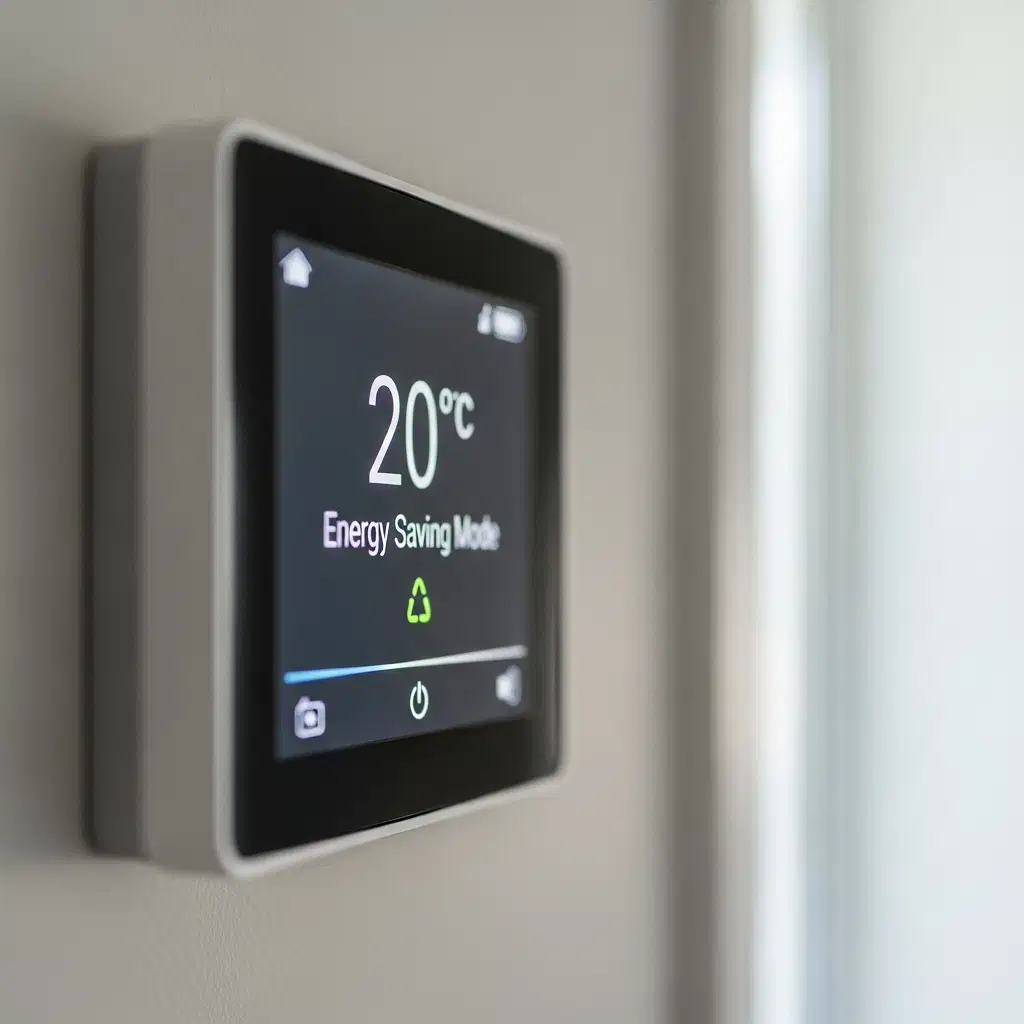
Before you assume the worst about your HVAC system, it is always best to check the simplest potential culprits. Surprisingly often, the issue stems from a setting on the thermostat. Make sure your thermostat is actually set to "cool" and not "heat." Additionally, check the fan setting. If your fan is set to "on" rather than "auto," the system's fan will run constantly, even when the cooling cycle is not actively chilling the air. This means it will blow room-temperature air through your vents between cooling cycles, which can easily feel warm to the touch.
Another highly common, yet easily fixable, problem is a severely clogged air filter. Your HVAC system needs a consistent, unrestricted flow of air to function correctly. When your air filter becomes heavily loaded with dust, pet dander, and the heavy spring pollen we see around here, it restricts the airflow over the evaporator coil. Without enough warm indoor air blowing across it, the coil can actually drop in temperature and freeze over entirely in a block of solid ice. Once the coil is frozen, the system can no longer absorb heat from your home, resulting in warm air circulating through your ducts. We strongly recommend changing your air filter every one to three months depending on your household's specific needs.
Refrigerant Leaks and System Pressures
If the simple fixes do not solve the problem, you may be dealing with a refrigerant issue. Refrigerant is the lifeblood of your air conditioning system; it is the chemical compound that cycles through your system, absorbing heat from inside your home and releasing it outdoors. A very common misconception is that air conditioners consume refrigerant like a car consumes gas. In reality, your system operates on a closed loop. If your system is low on refrigerant, it means there is a leak somewhere in the lines or coils.
When refrigerant levels drop below the manufacturer's required specifications, the pressure inside the system changes. This can cause the evaporator coil to freeze, much like a dirty air filter would, but for a different technical reason. A system low on refrigerant will run constantly but fail to actually cool the space, leading to sky-high utility bills and unnecessary wear and tear on your compressor. Handling refrigerant requires specialized training, proper licensing, and the right tools. Because the industry is currently navigating the transition to new eco-friendly refrigerants and SEER2 energy efficiency standards, it is more important than ever to rely on qualified experts for your HVACR - Repair needs. Attempting to recharge the system without fixing the underlying leak is a temporary, expensive, and environmentally harmful band-aid.
Dirty Condenser Coils and Outdoor Unit Blockages
Your outdoor unit, known as the condenser, has a very demanding job. Its role is to disperse the heat that was removed from your home into the outside air. To do this efficiently, the thousands of tiny metal fins surrounding the unit must be clean and free of obstructions. Homeowners often ask how to clean AC coils, especially after heavy storms or the intense pollen drops we experience locally.
Over time, grass clippings, dirt, mud, and leaves can become packed into the condenser fins. When this happens, the unit is suffocated and cannot release heat effectively. As a result, the heat stays trapped in the system, and your vents start blowing warm air. While you can carefully remove large debris like leaves and twigs from the immediate area around your condenser, deep cleaning the delicate fins requires professional-grade coil cleaners and specific water pressure to avoid bending and damaging the metal. Keeping a two-foot clearance around your outdoor unit from bushes and shrubs is a great preventative measure you can take today.
Electrical Failures and Worn Components
Air conditioners are complex pieces of mechanical equipment with numerous moving parts and high-voltage electrical components. Sometimes, the blower motor inside your home is working perfectly (which is why you feel air moving out of the vents), but the outdoor unit is not running at all. This mismatch is a classic sign of an electrical failure at the condenser.
The most common electrical failure is a blown capacitor. The capacitor acts like a heavy-duty battery that provides the initial jolt of electricity needed to start the compressor and the outdoor fan. When the capacitor degrades or fails entirely, usually due to age or extreme heat exposure, the compressor will not start. Without the compressor running, no cooling takes place, and the indoor fan just circulates the warm air already in your home. Other potential electrical issues include burnt contactors, tripped breakers, or even a failing compressor. Because of the high voltage involved, diagnosing and replacing these electrical components is strictly a job for certified technicians.
The Importance of Preventative Maintenance
Many of the common causes of an AC unit blowing hot air can be entirely prevented with regular, professional upkeep. Homeowners often wait until their system completely breaks down on the hottest day of the year before calling for help, leading to emergency dispatch fees and uncomfortable waiting periods during peak season rushes.
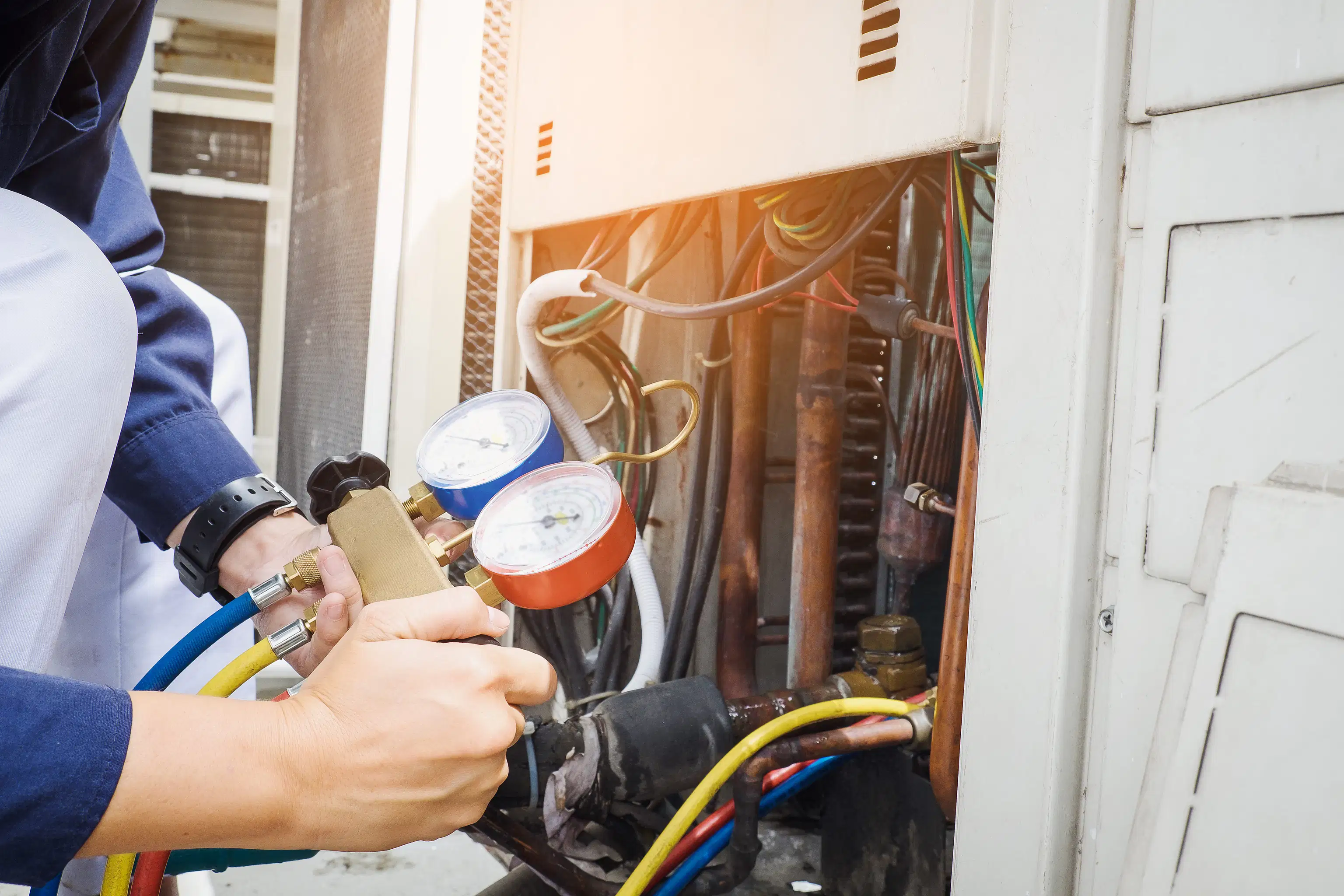
Enrolling in HVACR - Maintenance Programs is one of the most effective ways to lower your seasonal utility bills, improve your indoor air quality, and extend the lifespan of your equipment. During a maintenance visit, a technician will clean the coils, check the refrigerant charge, test the electrical components, and catch small signs of wear and tear long before they turn into major system failures. It provides incredible peace of mind knowing your system is tuned up and ready to handle whatever the season throws at it.
Getting Your Comfort Back on Track
Dealing with a malfunctioning air conditioner is frustrating, but understanding the common culprits can help you communicate better with your technician and make informed decisions about your home comfort. From simple thermostat mix-ups and clogged filters to complex refrigerant leaks and electrical failures, there is a logical explanation for why your system is struggling.
If you have checked your filter and thermostat and you are still feeling warm air from your vents, it is time to call in the experts. At RDS Mechanical & Construction- Greenwood SC, our licensed and certified technicians are dedicated to providing transparent, upfront pricing and prompt service to homeowners throughout The Upstate. We are committed to getting your system back online quickly and efficiently so you can get back to enjoying a cool, comfortable home. Reach out to our team today to schedule your service or to learn more about our comprehensive maintenance agreements.