Signs You Need Emergency Heating Repair
When the temperatures start to drop across Greenwood and the surrounding areas, a fully functioning heating system is no longer just a luxury—it is essential for your family's safety and comfort. You rely on your system to keep the cold at bay, but heating equipment can sometimes fail without much obvious warning. However, if you know what to look for, you can often catch the early signs of immediate heating system failure before you are left shivering on the coldest night of the year.
At RDS Mechanical & Construction- Greenwood SC, we know that dealing with an unexpected breakdown is stressful. Many homeowners worry about the high costs of sudden repairs, the difficulty of finding a skilled technician quickly, and the frustration of waiting around for a service vehicle to arrive. We believe in providing transparent, reliable service to help you avoid those headaches. By recognizing the warning signs early, you can schedule HVACR - Repair before a minor hiccup turns into a complete system breakdown.

Your System is Blowing Cold Air
One of the most obvious signs that something is wrong is when your vents are blowing cool or lukewarm air while the thermostat is set to heat. If you are experiencing furnace blowing cold air emergency troubleshooting, the first step is to check your thermostat settings to ensure the fan is set to 'auto' rather than 'on'. If the setting is correct and the air is still chilly, you likely have a larger mechanical issue on your hands.
Homeowners often wonder about the difference between a heat pump and a traditional furnace when dealing with this issue. A furnace generates heat by burning fuel or using electrical resistance, whereas a heat pump moves existing heat from the outside air into your home. With the current trend toward building electrification, many homes in the Upstate are transitioning to high-efficiency heat pumps. If a heat pump is blowing cold air, it could be struggling with a refrigerant leak or a malfunctioning reversing valve. If a furnace is doing the same, it might be a failing pilot light, a faulty ignition switch, or a cracked heat exchanger—a serious issue that requires immediate professional attention.
Strange Noises and Unfamiliar Odors
Your heating system should operate relatively quietly, blending into the background of your daily life. If you suddenly hear loud grinding, squealing, banging, or rattling noises, it is time to turn the unit off and call for professional help. Grinding sounds often indicate a failing motor bearing, while squealing can point to a frayed or slipping blower belt. Ignoring these noises can lead to catastrophic motor failure, which is significantly more expensive to replace than a simple worn belt.
Smells can be just as alarming. While a brief, faint burning smell is normal the very first time you turn on your heater for the season (as dust burns off the components), persistent odors are a major red flag. An electrical burning smell could indicate melting wires or an overheating motor. A metallic smell might mean internal components are grinding together. Most dangerously, if you smell sulfur or rotten eggs near a gas furnace, you could have a gas leak. In this scenario, you should evacuate the house immediately and contact emergency services, followed by your heating technician.
Rapid Cycling and Unresponsive Thermostats
Does your heating system turn on for a few minutes, shut off, and then immediately turn back on again? This process is known as short cycling, and it puts an immense amount of strain on your equipment. Short cycling prevents your home from ever reaching a comfortable temperature and drastically increases your energy bills. This issue can be caused by something as simple as a severely clogged air filter restricting airflow, or it could be a sign of a malfunctioning thermostat, electrical issues, or even an improperly sized HVAC unit for your home.
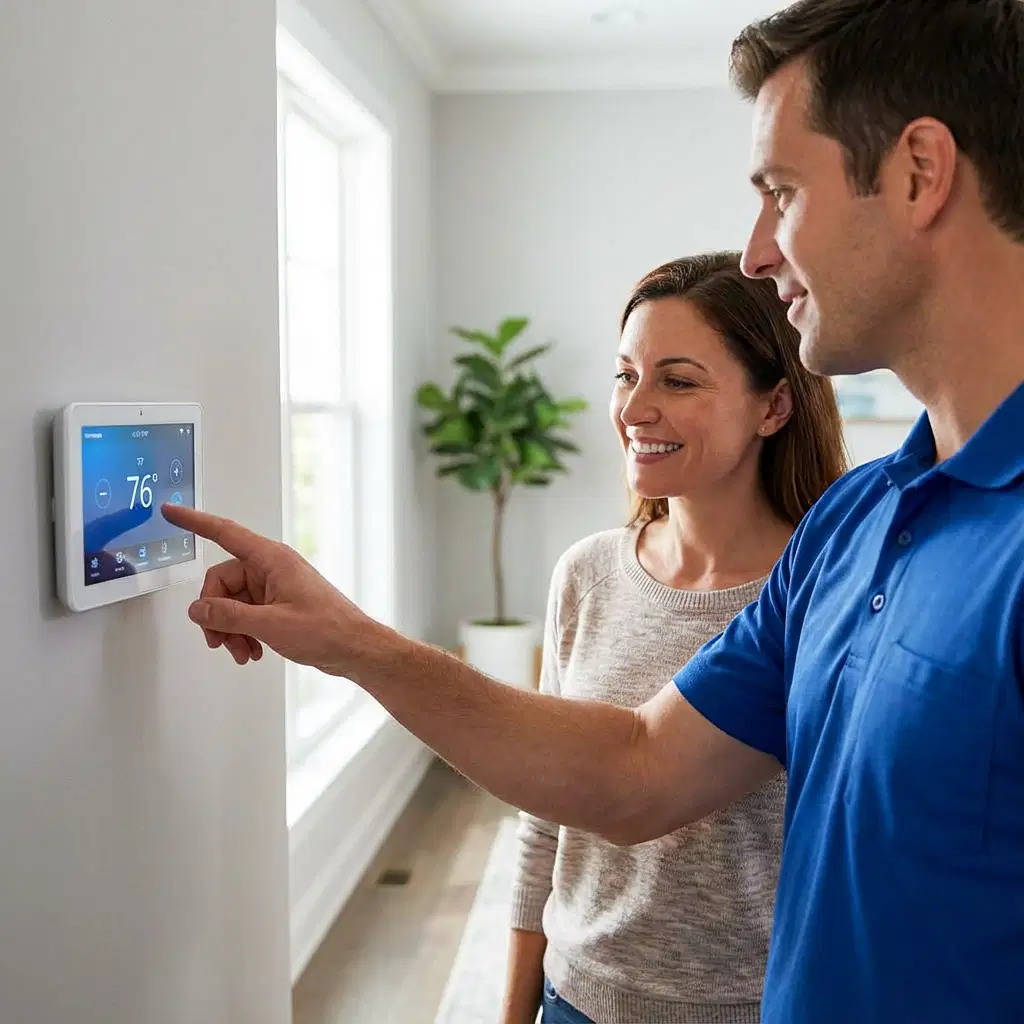
Speaking of thermostats, the latest industry trends lean heavily toward the integration of smart thermostats and IoT-enabled diagnostics. These modern devices offer predictive maintenance alerts and allow you to control your home's climate remotely. If you are constantly wondering how you can lower your heating and cooling bills, upgrading to a smart thermostat and ensuring your equipment isn't short-cycling are excellent first steps. However, if your current thermostat is completely unresponsive or the screen is blank, the communication between your controls and the main unit has been lost, signaling that you need a professional diagnostic visit.

Knowing When to Call for Emergency Service
Deciding when to call emergency HVAC service ultimately comes down to safety, comfort, and the severity of the weather. If temperatures are dropping below freezing and your system completely fails, or if you suspect an electrical hazard or gas leak, you should not wait for regular business hours. We understand that a severe shortage of skilled technicians in the industry can sometimes make finding prompt help difficult, which is why we prioritize efficient dispatching and real-time communication with our customers.
If y'all are dealing with a heating crisis in the Palmetto State, you don't have to face the freezing temperatures alone. At RDS Mechanical & Construction- Greenwood SC, our licensed and experienced team is ready to restore your home's comfort quickly and safely. We offer reliable 24/7 Emergency Service to ensure you are never left in the cold. Don't ignore the warning signs of a failing system—reach out and contact us today to get your heating equipment running smoothly again.