Preparing Your Home and Business for the EPA Refrigerant Phaseout
If you own a home or manage a business in the Upstate, you know how crucial a reliable air conditioning system is when summer temperatures soar. But there is a major change on the horizon for the heating and cooling industry. The Environmental Protection Agency (EPA) is currently rolling out new regulations that will significantly impact how we cool our buildings. At RDS Mechanical & Construction- Greenwood SC, we want to ensure you are fully prepared for the EPA refrigerant phaseout so you can make informed, cost-effective decisions about your HVAC and refrigeration equipment.

What the EPA Refrigerant Phaseout Means for You
For decades, R-410A has been the standard refrigerant used in residential and commercial cooling systems. However, as part of a nationwide push toward environmental sustainability, the EPA is mandating a transition away from high global warming potential (GWP) hydrofluorocarbons like R-410A. Going forward, manufacturers are shifting to eco-friendly alternatives such as R-454B and R-32.
Many of our customers ask us: what replaces r410a in commercial cooling equipment and residential heat pumps? These new low-GWP refrigerants are designed to be much more energy-efficient and better for the environment. While this is great news for efficiency and lowering your heating and cooling bills, it does mean that older systems utilizing R-410A will eventually become more expensive to maintain. As the supply of legacy refrigerants dwindles, fluctuating equipment and material costs can create unexpected budget challenges during peak seasons.
Navigating System Retrofits and Replacements
A common question we hear is regarding how long a typical HVAC system lasts. Generally, a well-maintained system can last 15 to 20 years. If your equipment is nearing the end of its lifespan, it might be more cost-effective to replace it with a modern unit rather than risking expensive repairs and scarce refrigerant supplies down the road. You might also be wondering how much a new HVAC system costs to install. While upfront costs for new, compliant equipment require an investment, there are often federal tax credits through the Inflation Reduction Act and local utility rebates available that can help offset the expense.
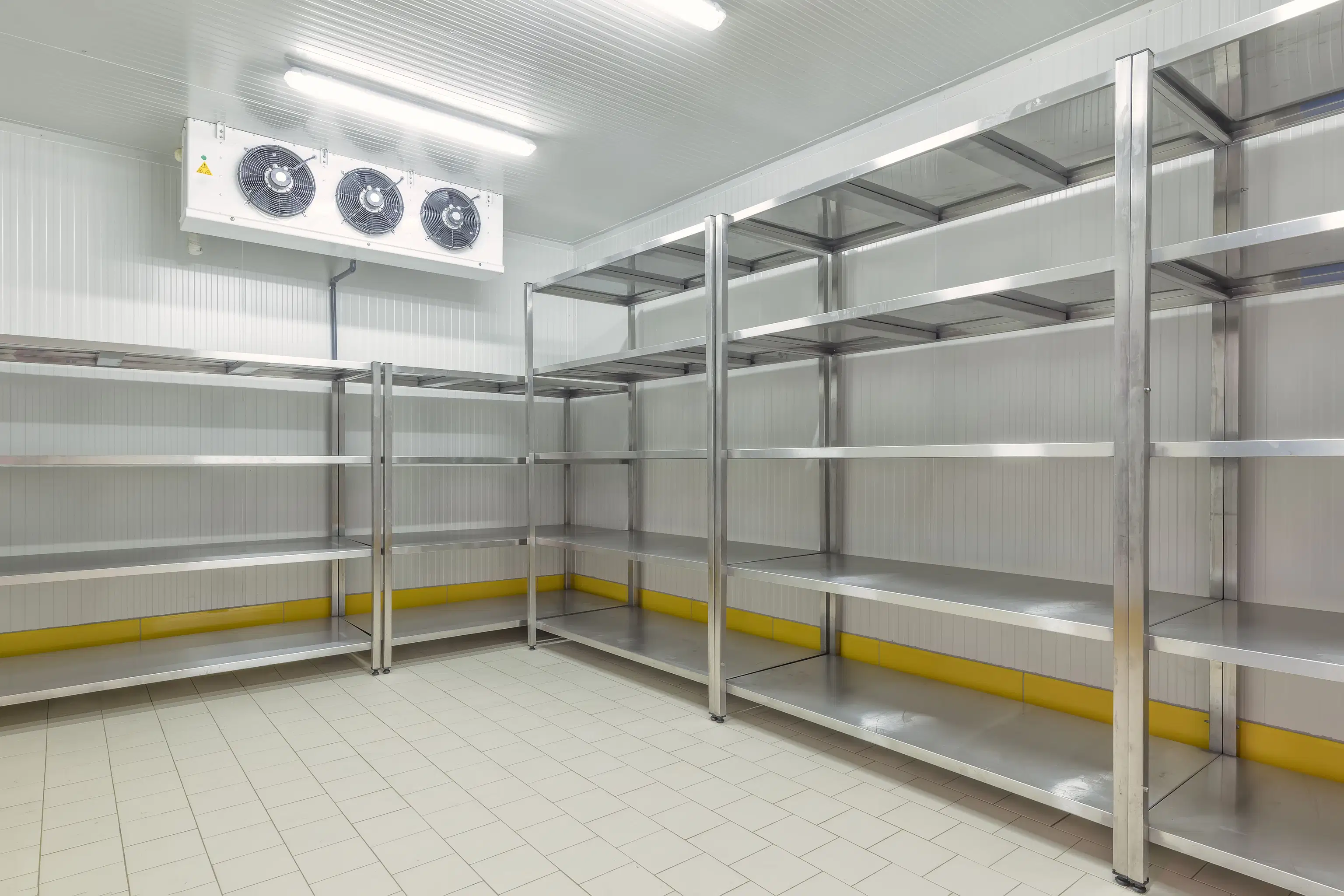
For business owners, the epa refrigerant phaseout impact on hvac systems is particularly critical. If you rely on large-scale cooling for perishable goods, a commercial refrigeration retrofit for low gwp refrigerants might be necessary to keep your daily operations running smoothly without violating new compliance standards. Whether you need comprehensive Refrigeration services or are looking into HVACR - System Retrofits, our certified technicians have the specialized training required to handle these new eco-friendly systems safely.
Plan Ahead with Your Local Experts
Navigating regulatory changes, new smart home technology integrations, and fluctuating equipment costs can feel overwhelming, but you do not have to figure it out on your own. Staying ahead of the curve ensures you will not be caught off guard by sudden breakdowns or scheduling delays during our hottest months.
If you are unsure about the age or compliance of your current cooling setup, RDS Mechanical & Construction- Greenwood SC is here to help. We are proud to serve the Palmetto State with transparent pricing, highly trained technicians, and 24/7 emergency availability. Contact our team today to schedule an assessment or learn more about how our maintenance programs can extend the life of your current system while you plan for the future.